

Overview
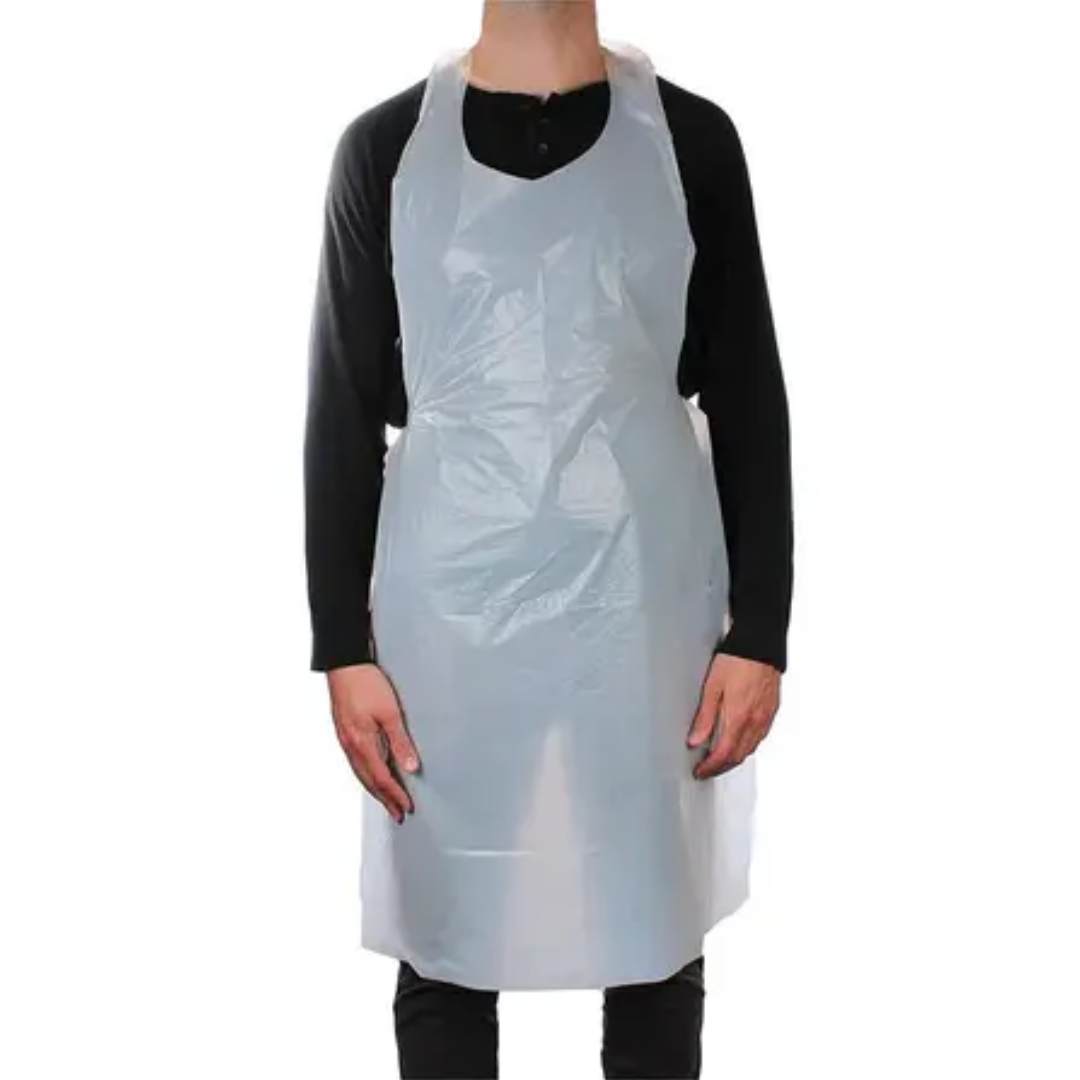
An apron is a protective garment worn over clothing to safeguard against spills, stains, or debris. Typically tied around the waist and neck, aprons come in various materials, including cotton, polyester, leather, and rubber, catering to diverse needs and industries. They are indispensable in settings ranging from kitchens and workshops to medical facilities and laboratories. Aprons not only provide functional protection but also serve as a symbol of professionalism in many trades.
Practical Applications of Aprons
Culinary and Food Services
- Protect clothing from spills, grease, and food stains during cooking and serving.
- Promote hygiene in kitchens, bakeries, and restaurants.
Healthcare and Laboratories
- Safeguard against contamination from bodily fluids or hazardous substances.
- Ensure a sterile environment in hospitals and labs.
Art and Craft
- Shield clothing from paint, glue, and other materials used in creative projects.
- Provide storage for tools with convenient pockets.
Industrial and Workshop Use
- Protect workers from sparks, heat, or sharp objects in manufacturing or welding.
- Enhance safety in environments with heavy machinery or hazardous materials.
Home and Gardening
- Keep clothes clean while gardening, cleaning, or performing household chores.
- Provide a convenient way to carry tools and supplies.
Retail and Hospitality
- Enhance the professional appearance of staff in hotels, cafes, and retail stores.
- Offer functional storage for items like pens, notepads, or cash.
Closing Insights
Aprons are a simple yet indispensable accessory across a variety of industries and daily activities. Their practicality, combined with the ability to provide protection, convenience, and professionalism, makes them a valuable tool for both work and home use. Whether shielding against stains in the kitchen, sparks in a workshop, or germs in a hospital, aprons offer a blend of functionality and style that ensures they remain relevant and essential in any setting.


